aromatic
The Aromatic Qualities of Saffron
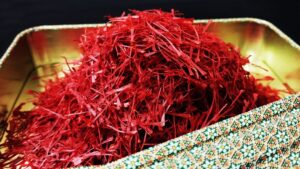
Saffron is renowned for its distinctive, intoxicating aroma, which is a key characteristic that sets it apart from other spices. The aromatic properties of saffron are due to the presence of a compound called saffranal, which is responsible for its sweet, floral, and slightly earthy scent.
Aromatic Notes
The aroma of saffron can be described as:
- Sweet: Saffron has a sweet, almost honey-like fragrance that is reminiscent of orange blossoms.
- Floral: The aroma of saffron is often compared to the scent of rose petals, with a delicate, floral quality.
- Earthy: The earthy, soil-like note in saffron’s aroma adds depth and complexity to its overall fragrance.
- Warm: The warm, golden color of saffron is reflected in its aroma, which is often described as being warm and inviting.
Aromatic Profile
The aromatic profile of saffron can be broken down into three main components:
- Top notes: The initial fragrance of saffron, characterized by sweet, floral notes.
- Middle notes: The main body of the fragrance, featuring earthy and woody notes.
- Base notes: The lingering fragrance, characterized by warm, sweet notes.
Using Aromatic Saffron in Cooking
To experience the aromatic qualities of saffron in cooking, try the following:
- Infused oil: Steep a few strands of saffron in olive oil to create a fragrant oil perfect for dressings and marinades.
- Braising liquids: Add a few strands of saffron to your braising liquids for a rich, aromatic flavor.
- Risottos and paellas: Use saffron to add depth and aroma to these classic Spanish dishes.
Conclusion
The aromatic qualities of saffron are an integral part of its charm, making it a popular ingredient in many cuisines around the world. Whether you’re using it to add depth and complexity to your cooking or simply enjoying its intoxicating aroma on its own, saffron is sure to delight your senses.
Email: info@safranco.uk or info@safranco.ir
Website: https://safranco.uk or https://safranco.ir

